A Forest That Grows in the Air

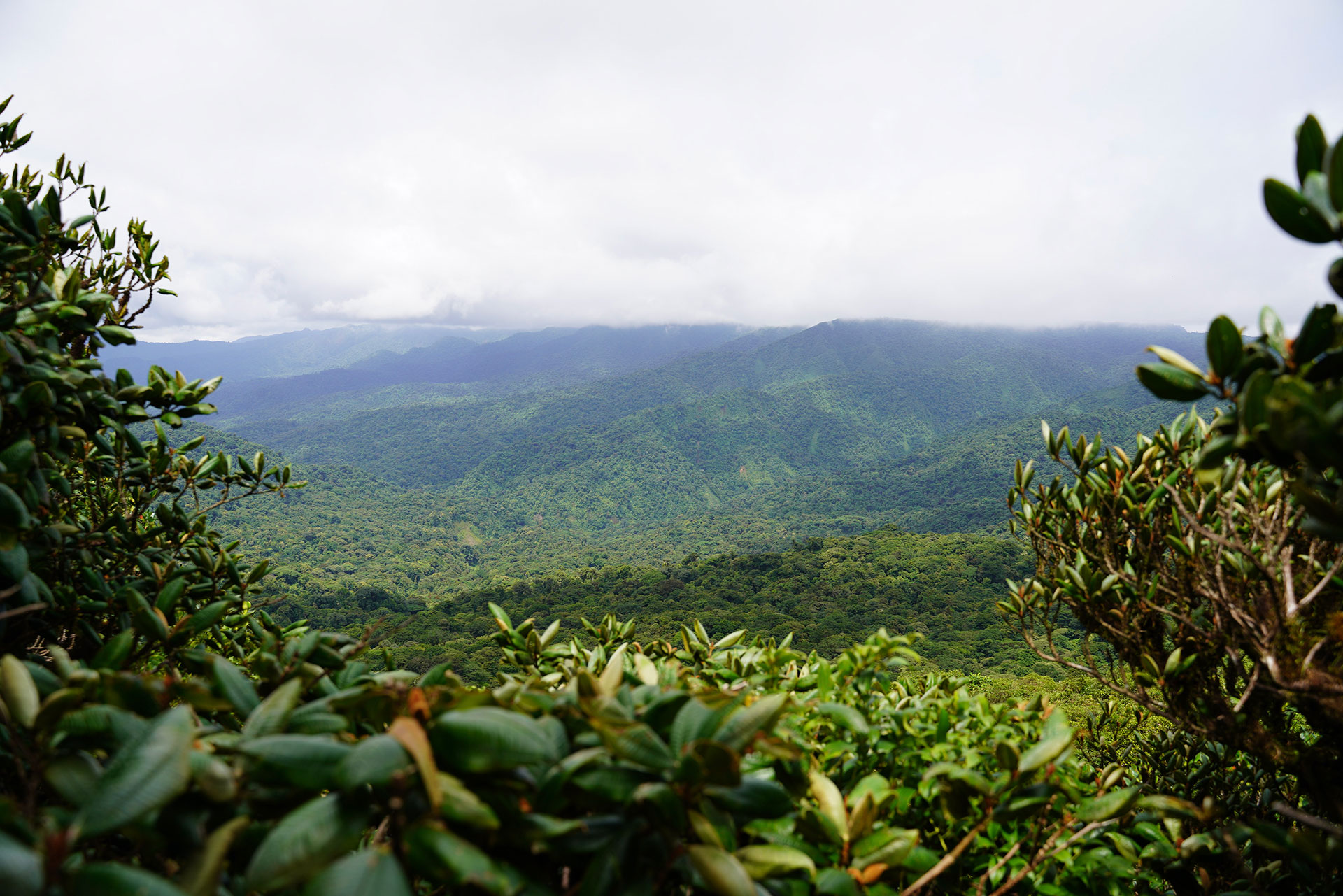
In most forests, life grows from the soil upward. In Monteverde, it also grows downward — from the clouds.

Epiphytes such as orchids, bromeliads, ferns, and mosses anchor themselves on tree trunks and branches, drawing water straight from the mist. These “air plants” transform every branch into a garden and every tree into a vertical world.

Inside their leaves and roots, frogs hide, insects reproduce, and drops of water become entire ecosystems.

The Pillars of Green — Key Plant Families

Over 3,000 species of vascular plants have been recorded in Monteverde, including more than 750 tree species, making it one of the most botanically diverse cloud forests on Earth.

Each group plays a unique role in the forest’s structure and survival.

Lauraceae (Wild avocados)

They produce fruits essential to the cloud forest’s wildlife — especially quetzals and bellbirds — sustaining natural seed dispersal.

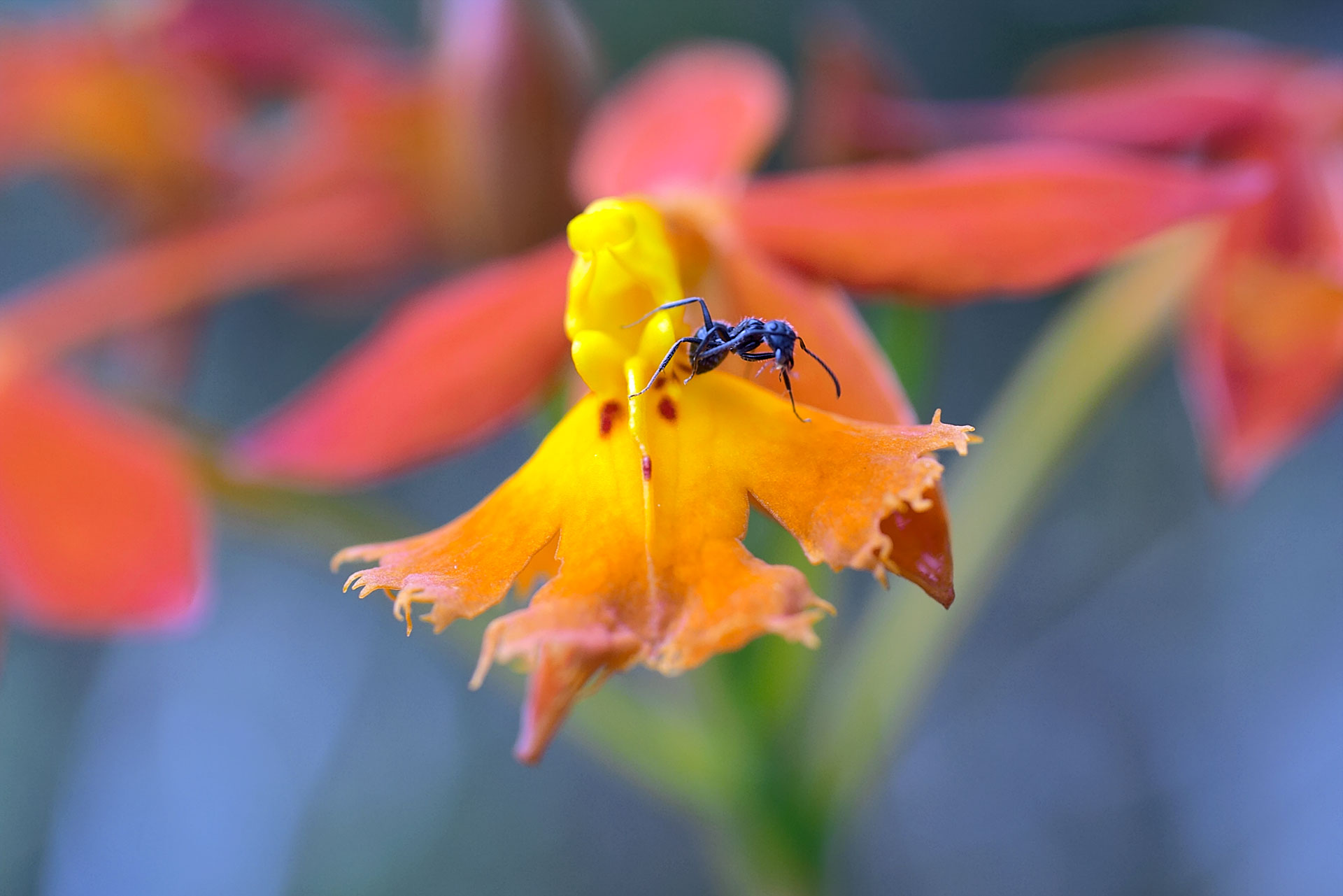
Orchidaceae (Orchids)

450+ orchid species — the highest concentration known anywhere on the planet. Dozens of species were first discovered here, many still found only in Monteverde.

Bromeliaceae (Bromeliads)

Collect rain and mist in their leaves, creating miniature ponds that host frogs and insects.


Ferns and Mosses

Cover tree trunks and rocks, trapping moisture and nutrients that sustain the forest’s humidity.


The Forest’s Water Engineers

Every leaf and root in the cloud forest plays a part in capturing and releasing water.
Mosses and bromeliads absorb moisture directly from the air, while deep-rooted trees stabilize the soil and feed underground springs.

This living system transforms mist into clean water that flows into the Guacimal and Peñas Blancas watersheds. It supports local communities in the Monteverde canton and contributing to clean energy production through the Peñas Blancas hydroelectric plant and the Arenal Reservoir.

What begins as fog in Monteverde becomes life far beyond its borders.

Resilience and Change

The plants of Monteverde have evolved to survive in constant moisture and mild temperatures.

But as the climate warms and the cloud base rises, the balance shifts.

Some species climb higher in search of mist, while others decline.

Researchers track these changes through long-term vegetation plots, learning how plants adapt — and what that means for the entire ecosystem.

Every shift in a leaf’s color or bloom’s timing tells part of the forest’s future.

What We’re Doing

The Monteverde Cloud Forest Preserve studies and protects its flora through continuous monitoring, habitat restoration, and environmental education.

Our programs identify key plant indicators for climate change, conserve endangered orchids, and train new generations of naturalist guides.

By combining science and stewardship, the Preserve ensures that Monteverde’s forest remains a living classroom for the world.

Explore Our Research Programs

How You Can Help

Every visit supports the conservation of Monteverde’s flora — the foundation of its entire ecosystem.

You can help by visiting responsibly, joining educational programs, or supporting research that safeguards this extraordinary forest.

Together, we protect not just trees, but the living fabric of the clouds themselves.

Support Conservation Efforts