What Is a Cloud Forest?

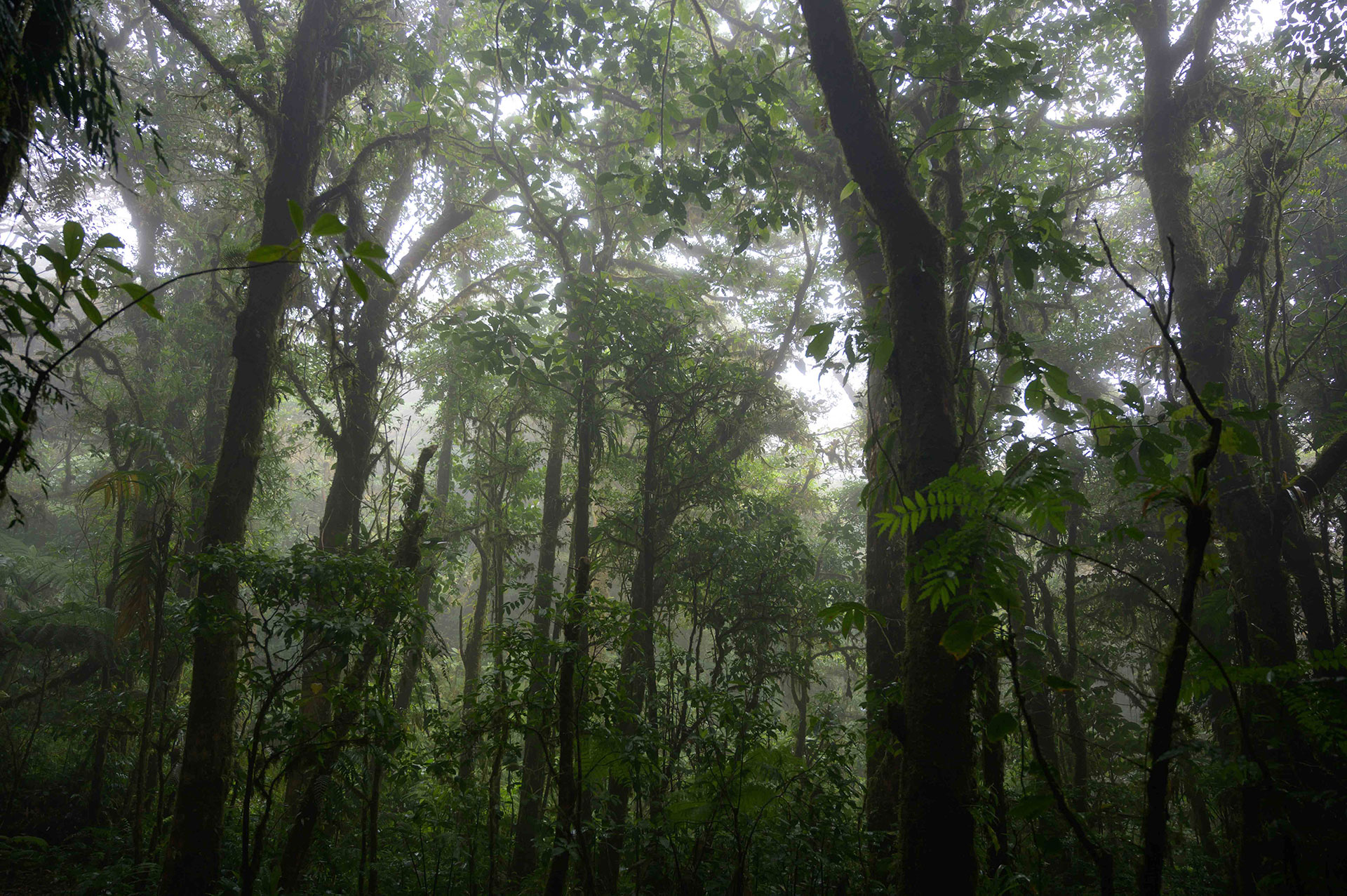
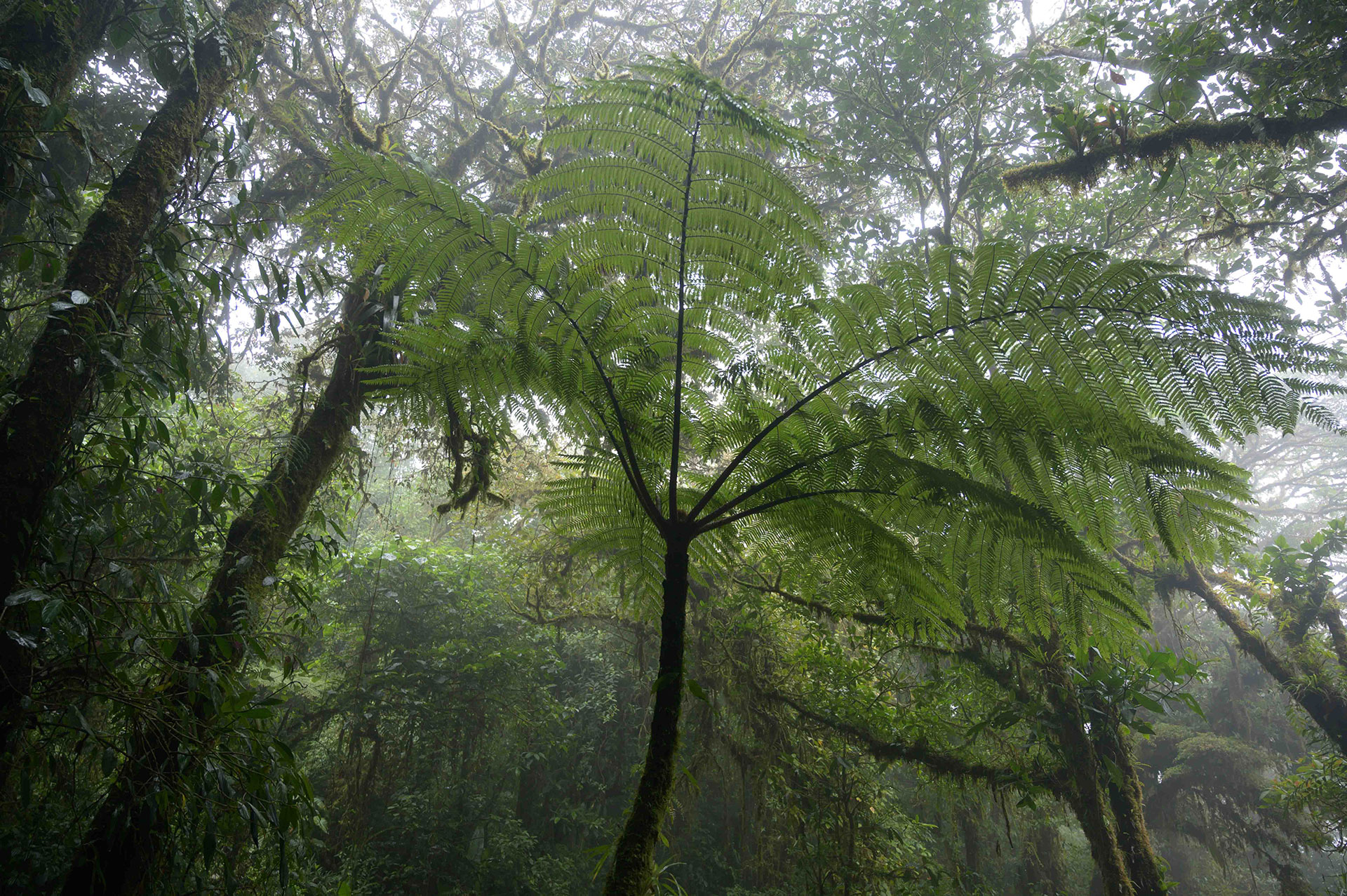
A cloud forest forms where warm tropical air rises and cools into mist along mountain slopes.

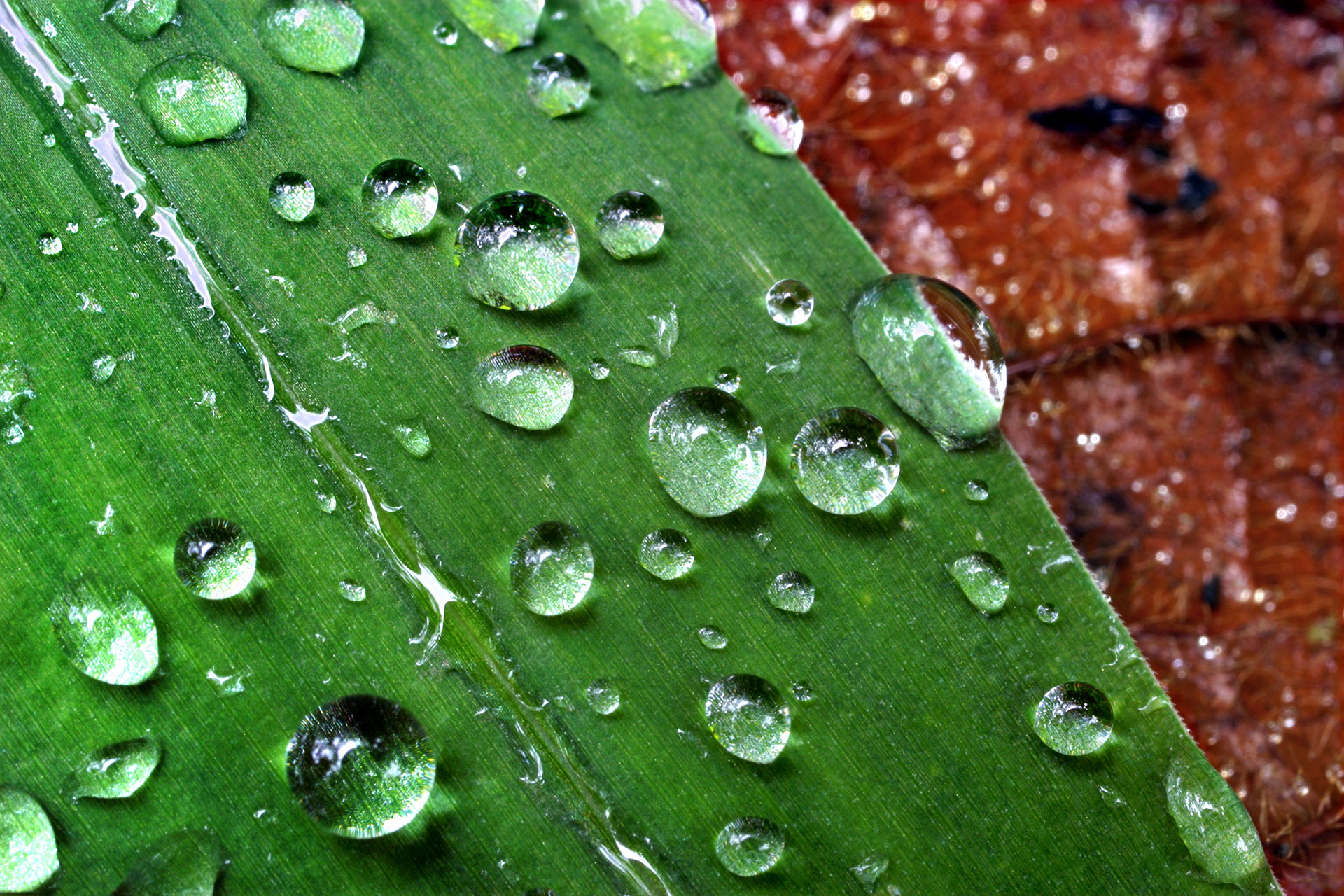
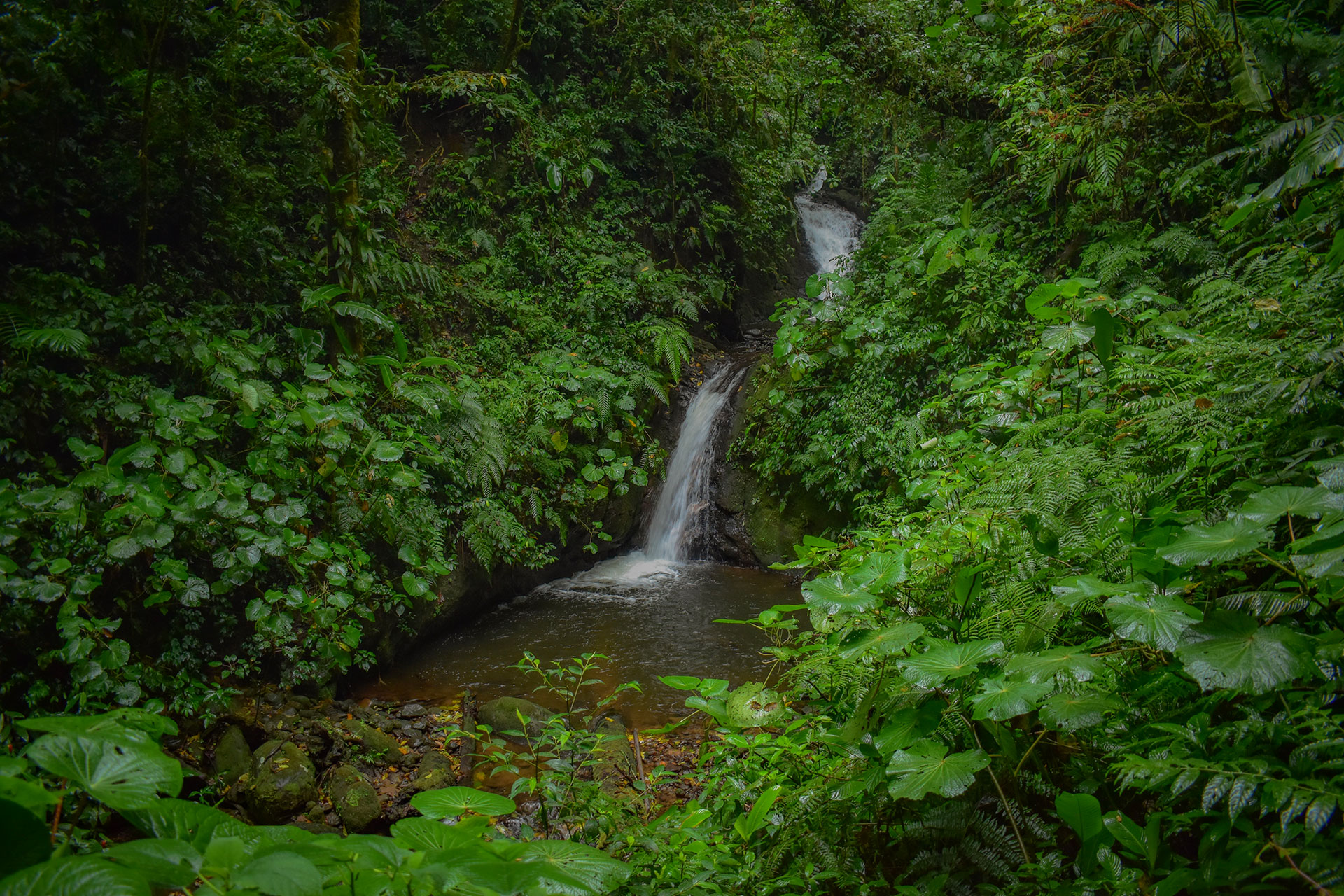
This mist condenses on leaves, mosses, and roots, creating constant moisture — a process called horizontal precipitation.
It is this continuous drizzle from the clouds that allows thousands of species to survive in Monteverde.

Global tropical cloud forests represent only about 1.5% of Earth’s tropical forests, yet it holds a disproportionate share of life — a living laboratory of evolution, climate, and adaptation.

Learn about its flora

Facts You Should Know

The Ecosystem

Only 0.26% of Earth’s land surface is covered by tropical cloud forests, that´s about the size of Japan scattered across mountain peaks around the tropics.
The forest captures up to 3,000 mm of water per year, nearly five times more than New York City and three times more than London receives annually.
High-elevation forests like Monteverde are critical headwaters for many Costa Rican watersheds, buffering flows during dry months.
Monteverde’s canopy hosts over 800 species of epiphytes (plants that grow on other plants) — roughly 3% of all epiphyte species known worldwide.

The Climate and Science

Scientists have studied the forest continuously for over 50 years, making it one of the longest-running tropical research sites in the world.
The average temperature ranges between 57.2°F and 71.6°F (14°C and 22°C), a gentle equilibrium that can collapse with just a two-degree change.
The Preserve sits on the continental divide, where rain that falls on one side flows to the Pacific, and on the other, to the Caribbean. A forest that gives to two oceans..
Microclimates shift so rapidly that walking 330 ft (100 meters) can feel like crossing from one ecosystem to another — a living mosaic of climates within a single hike.

The Biodiversity

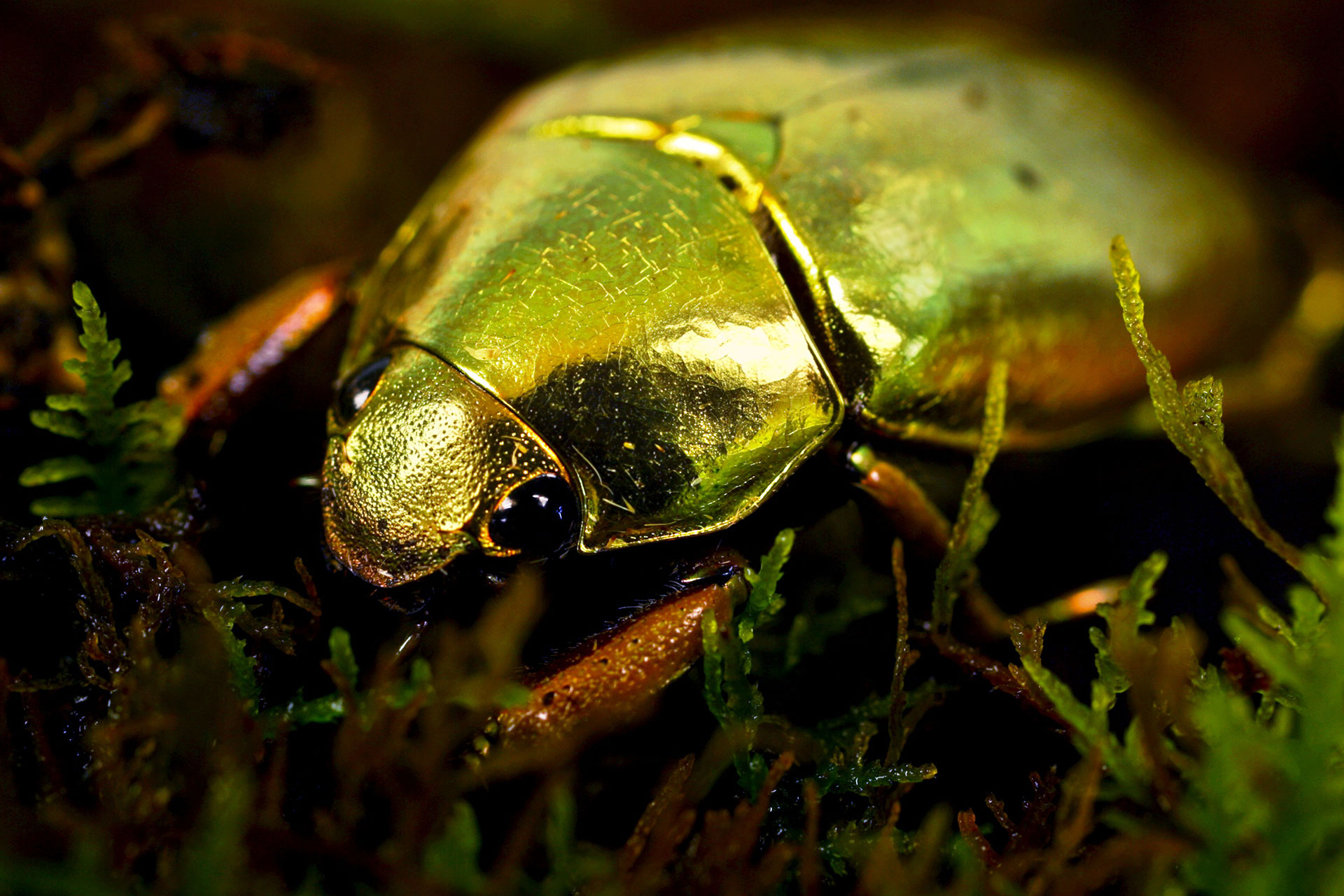
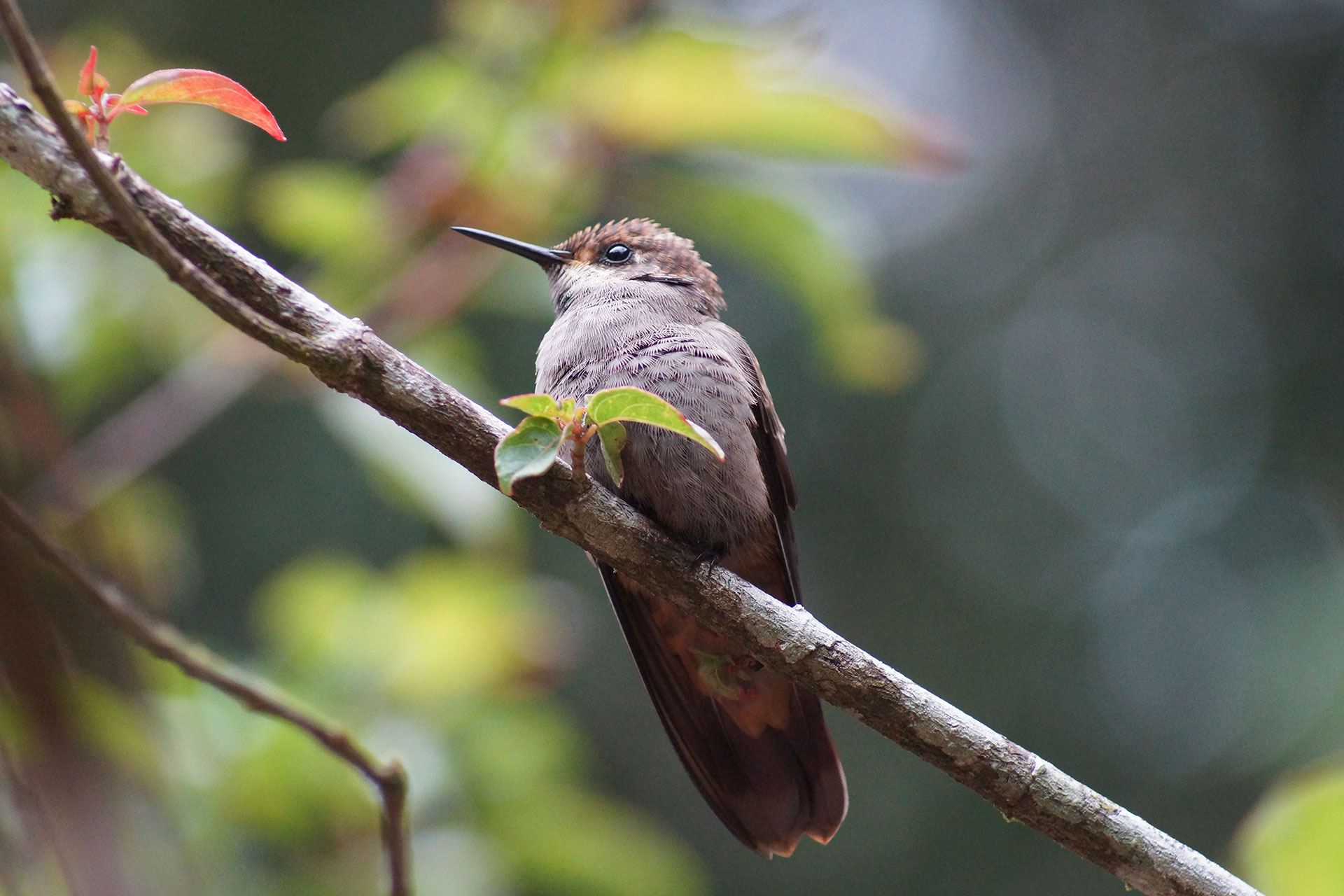
Home to 400+ bird species, including the iconic Resplendent Quetzal and Three-wattled Bellbird.
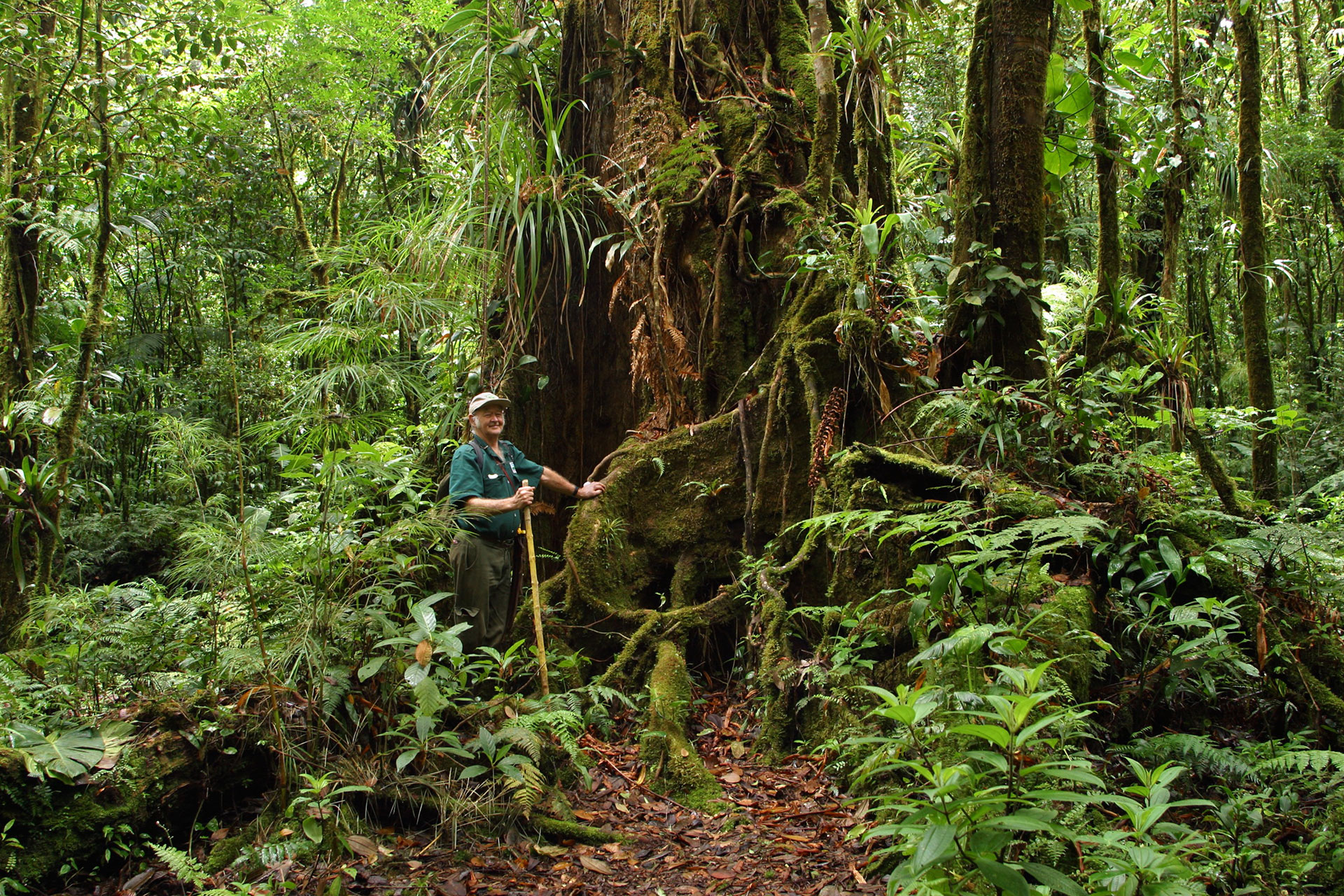
A single tree in the Monteverde Cloud Forest can host more species of plants and animals than an entire forest in North America or Europe — a living skyscraper of biodiversity.
Monteverde is a refuge for all six of Costa Rica’s wildcat species, from ocelots to pumas — an extraordinary coexistence within such a compact mountain ecosystem.
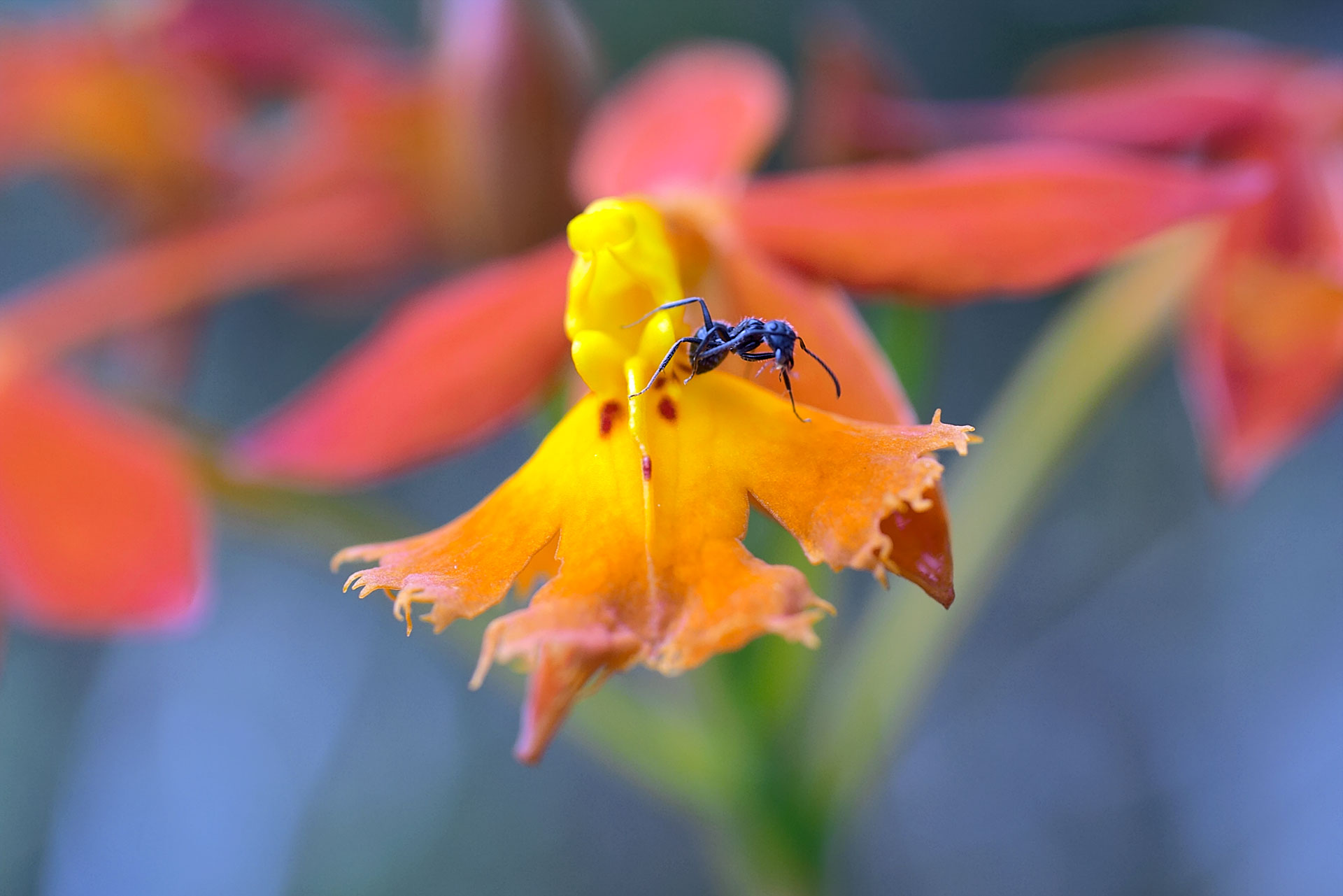
More than 3,000+ plant species have been recorded, including 450+ orchids, one of the highest orchid diversities on the planet.


Why the Cloud Forest Matters

The Forest That Sustains Life

The Monteverde Cloud Forest is not a myth of mist — it’s a measurable climate system that the world can still protect.
It regulates temperature, captures water, and sustains entire communities across Costa Rica’s Pacific and Caribbean slopes.

Every drop that forms in its mist becomes part of rivers, crops, and cities far beyond the mountains.
Its importance extends globally — as a carbon sink, a climate stabilizer, and a source of scientific knowledge that helps humanity face change.

The Monteverde Cloud Forest acts as a natural engine for life.
Its constant mist nourishes the vegetation, feeds rivers, and sustains ecosystems far beyond the forest itself. By capturing moisture directly from the clouds — a process known as horizontal precipitation — it produces clean water that flows into Guacimal and Peñas Blancas watersheds.

These waters help supply the communities in the Monteverde canton and contribute to renewable energy production through the Peñas Blancas hydroelectric plant.

The Four Pillars of Value

“When you protect a cloud forest, you protect life itself.”

From Mist to Life: The Living World of Monteverde

Every drop of mist in Monteverde carries life.

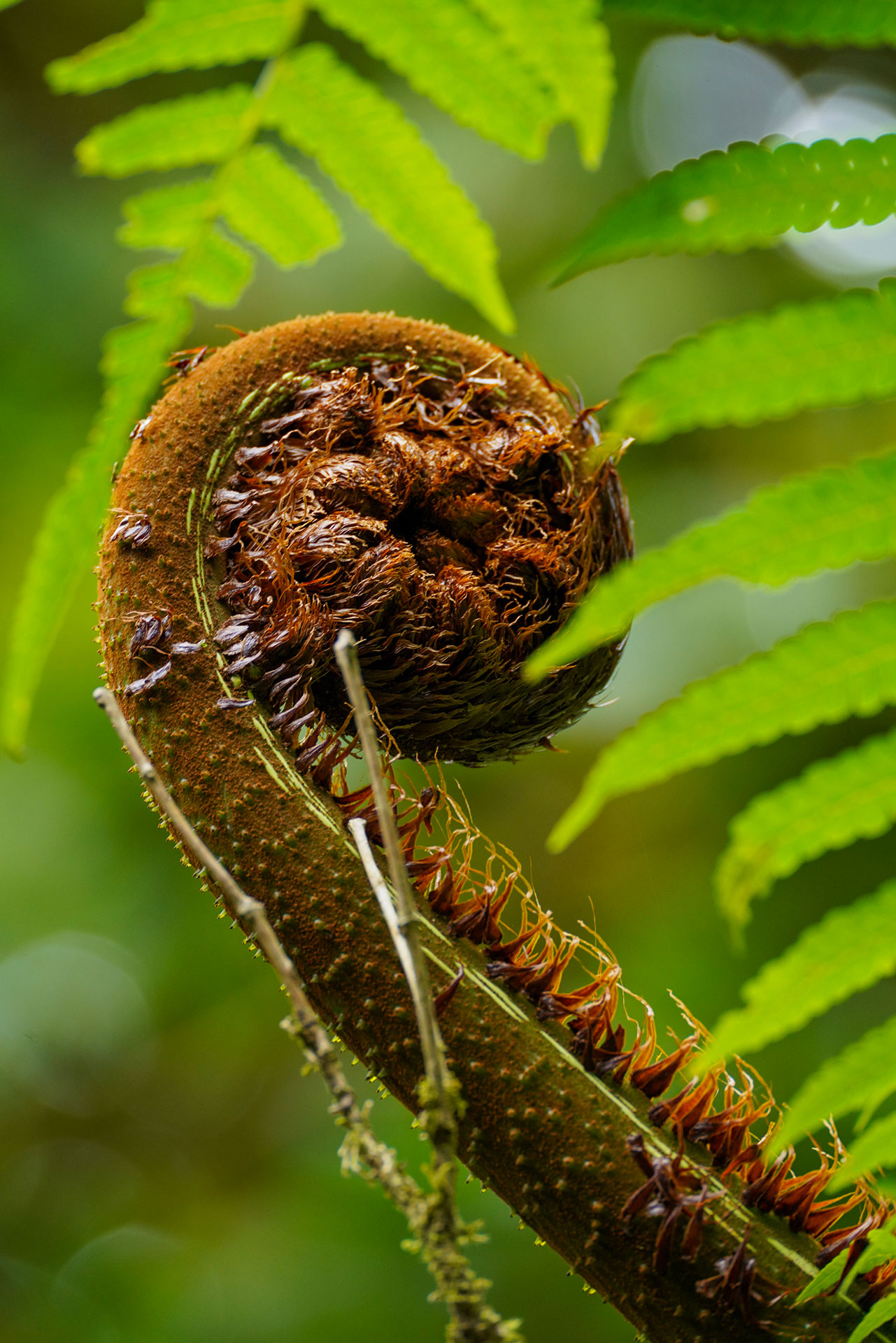
The forest’s constant humidity transforms air into habitat — nurturing thousands of plants and animals found nowhere else on Earth. Orchids, bromeliads, and mosses weave the canopy into a green tapestry, capturing water from the clouds.

Within it, birds, mammals, reptiles, amphibians, and countless invertebrates thrive, each part of a delicate balance sustained by the forest’s breath. Together, they form the living heartbeat of the Monteverde Cloud Forest Reserve.

The Science of the Cloud Forest

How the Cloud Forest Works

Cloud forests form between 3,900 and 8,200 ft (1,200 and 2,500 meters) above sea level, where warm, moist air meets cooler mountain temperatures.

Monteverde’s mist — known as horizontal rain — provides up to 40% of total water captured by the forest, even when no rain falls.

The forest literally drinks from the clouds.

What Makes Monteverde Unique

Few places on Earth show the workings of a cloud forest as clearly as Monteverde.
At each meter in altitude changes the conditions — temperature, humidity, and sunlight — creating a vertical mosaic of microclimates. This allows thousands of plant and animal species to thrive side by side in a small area.

The Preserve sits along the Continental Divide, where moisture from the Caribbean meets winds from the Pacific, creating a rare balance of two climates in one forest.
This divide also feeds rivers that flow in both directions — a forest that gives water to two oceans.

Flora & Fauna

The Balance at Risk

Cloud forests exist within the narrowest of climate windows.

Just a few degrees of warming can lift the cloud base higher, leaving the forest dry and its species vulnerable.
Monteverde remains one of the few places where this balance still holds — a living example of resilience through protection and science.

Key Threats to the Cloud Forest

Climate Change

Rising temperatures alter humidity, rainfall, and the height of the cloud layer. These subtle shifts affect every species that depends on mist for survival.

Invasive Species

Non-native plants and animals compete for nutrients and space, displacing endemic species and changing soil and water dynamics.


Water Extraction

Growing demand for clean water from nearby communities reduces the flow that sustains downstream ecosystems. The forest’s natural storage system is under increasing pressure.

Tourism Pressures

Even responsible tourism must be carefully managed. Visitor limits, established through scientific studies, help ensure that nature comes first.

Protect the Clouds

Protecting Monteverde means protecting one of the last functioning cloud forests on Earth.
Your visit, your donation, or your shared story can support climate research, ranger patrols, and education programs that safeguard the forest for generations to come.

Visit Us You Can Help