How We Protect the Forest

Conservation at Monteverde is not just about protecting trees — it’s about understanding life itself.
Our team of scientists, educators, and community members works together to conserve the ecosystems of the Tilarán mountain range.
From biodiversity research to sustainable tourism management, every program is designed to maintain the delicate balance between nature and people.

About the Monteverde Cloud Forest Preserve

A legacy of conservation, science, and community since 1972.

The Monteverde Cloud Forest Preserve was created to protect a representative sample of the ecosystems of the Tilarán Mountain Range — one of the most biodiverse areas on Earth.

Over five decades later, it remains a living example of how science, education, and responsible tourism can coexist to safeguard nature and inspire change.

Our Mission and Vision

“Science · Education · Conservation”

Mission

To conserve a representative and functional sample of the terrestrial ecosystems of the Tilarán Mountain Range, maintaining the goods and services these provide to local communities and society at large.

Vision

Through an innovative private management model, the Monteverde Cloud Forest Preserve effectively protects its natural resources, deepens scientific knowledge, and strengthens resilience to climate change — offering science, education, and ecotourism experiences that foster both conservation and community well-being.

Our Story Through Time

From pioneering private conservation in Costa Rica to international recognition, every chapter in Monteverde’s story reflects a deep commitment to the forest and its people.

1962

The Tropical Science Center (TSC) is founded — Costa Rica’s first environmental NGO.

1972

The Monteverde Cloud Forest Preserve is created, becoming the country’s first private biological preserve.

1993

The Environmental Education Program is formally established, becoming one of Costa Rica’s longest-running and most consistent environmental education initiatives.

1994

 The Preserve’s carrying capacity is determined through scientific studies, setting a national standard for sustainable visitation.

2010

The Preserve earns the Blue Flag certification.

2016

The artificial nest program begins, helping protect the Resplendent Quetzal and support its reproduction.

2017

Establishment of the Biological Corridors Program, expanding conservation efforts beyond the Preserve’s borders.

2020

The Preserve earns the Sustainable Tourism Certification (CST).

2025

Monteverde Cloud Forest Preserve joins the IUCN Green List, becoming a global model for effective protected area management.

1962

The Tropical Science Center (TSC) is founded — Costa Rica’s first environmental NGO.

1972

The Monteverde Cloud Forest Preserve is created, becoming the country’s first private biological preserve.

1993

The Environmental Education Program is formally established, becoming one of Costa Rica’s longest-running and most consistent environmental education initiatives.

1994

 The Preserve’s carrying capacity is determined through scientific studies, setting a national standard for sustainable visitation.

2010

The Preserve earns the Blue Flag certification.

2016

The artificial nest program begins, helping protect the Resplendent Quetzal and support its reproduction.

2017

Establishment of the Biological Corridors Program, expanding conservation efforts beyond the Preserve’s borders.

2020

The Preserve earns the Sustainable Tourism Certification (CST).

2025

Monteverde Cloud Forest Preserve joins the IUCN Green List, becoming a global model for effective protected area management.

Our Managing Organization

Why It Matters

The Monteverde Cloud Forest Preserve represents more than a destination — it’s a model for coexistence between humans and nature.
Every visit, study, and partnership contributes to a future where conservation and community thrive side by side.

You Can Help Too

What the Tropical Science Center Does

The TSC protects nature beyond Monteverde. Across Costa Rica, it leads scientific research, environmental education, and conservation initiatives that inspire and sustain future generations.

Our Main Certifications

Certifications and Recognitions

Every recognition we receive is not just a badge — it’s proof that responsible management, science, and community can protect one of the most extraordinary forests on Earth.
Our certifications reflect a long-term commitment to sustainability, transparency, and continuous improvement.

IUCN Green List

In 2025, the Monteverde Cloud Forest Preserve was officially included in the IUCN Green List of Protected and Conserved Areas, joining a select group of the world’s most effectively managed sites.
This recognition celebrates our scientific monitoring, community engagement, and long-standing impact in tropical conservation.

Certification for Sustainable Tourism

The Preserve holds Costa Rica’s Certification for Sustainable Tourism (CST), a national program that recognizes businesses and organizations for their environmental, social, and economic sustainability practices. From waste management to community inclusion, CST reflects how every part of the Preserve’s operation aligns with the country’s sustainable tourism model.

Blue Flag Ecological Program

The Blue Flag Ecological Program acknowledges our commitment to water conservation, waste reduction, and education for sustainability.
This certification highlights the daily efforts of our staff and visitors to keep Monteverde clean, resilient, and thriving.


 Our Programs

Protecting the Cloud Forest in Action

Every trail, every bird call, every drop of mist in the Monteverde Cloud Forest is part of an ongoing effort to understand, protect, and restore life.
Our programs unite scientists, educators, and community members to ensure that the forest remains a place of wonder — a model for sustainable living in Costa Rica and beyond.

Learn How You Can Support Our Work

Our Core Areas of Work

Scientific Research &
Biodiversity Monitoring

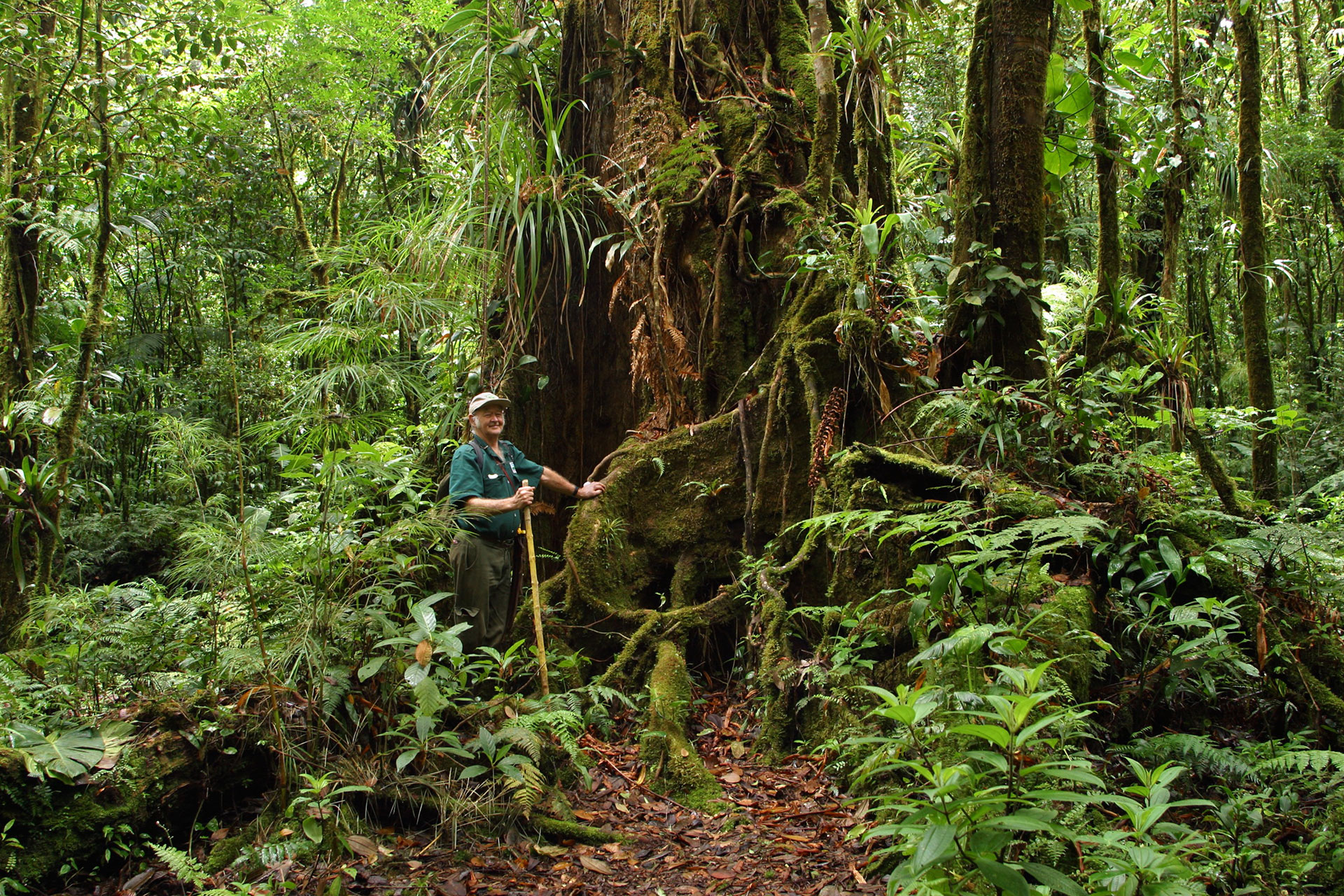
Research is a pillar of conservation in Monteverde.

Through long-term monitoring led by our team — and collaboration with national and international universities — the Preserve tracks species, habitats, and environmental change to guide management decisions.

Monteverde’s research database, enriched by decades of institutional and external studies, is one of the most comprehensive records of cloud forest dynamics in the tropics.

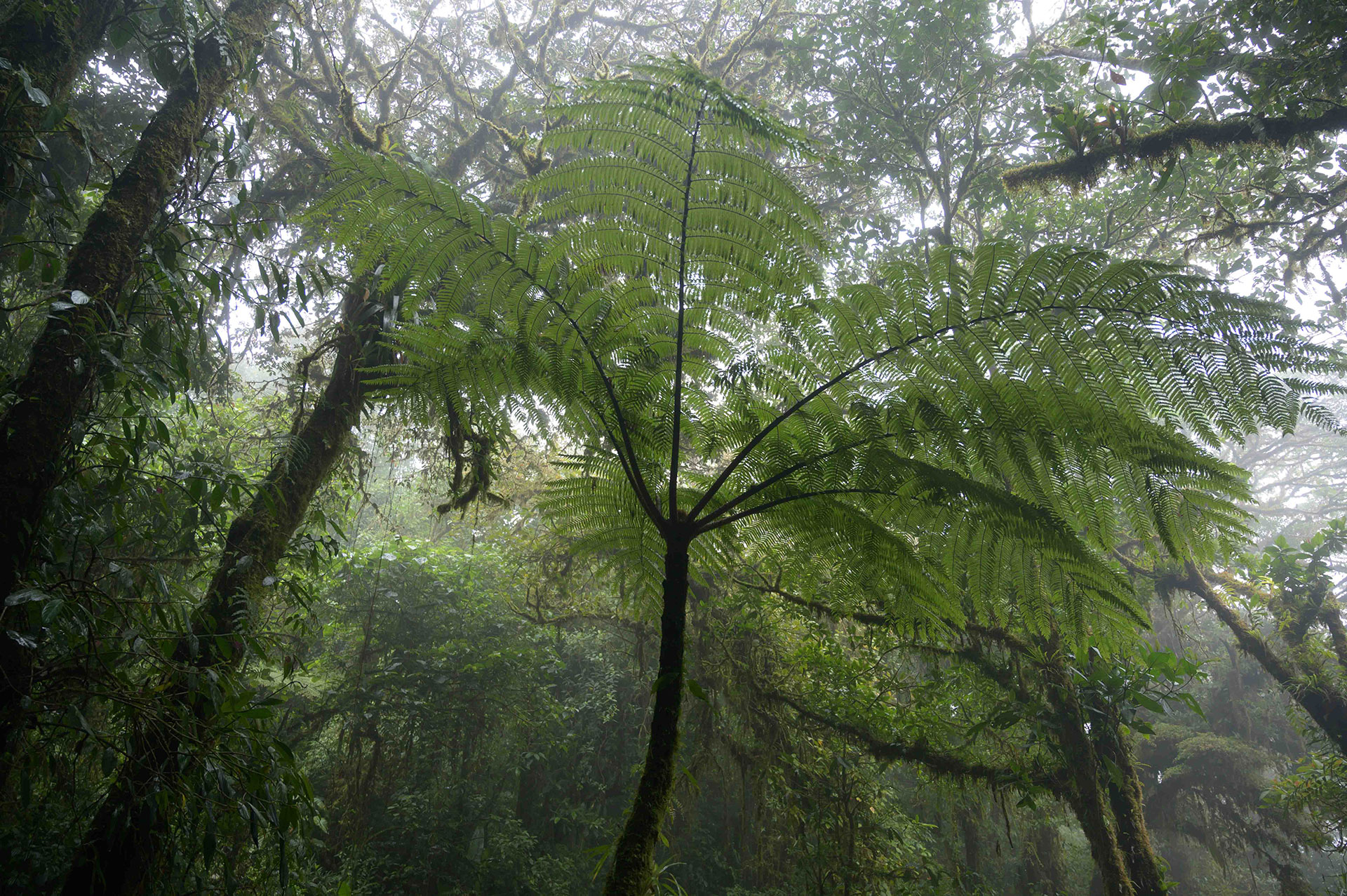
The Cloud Forest Ecosystem

Environmental Education

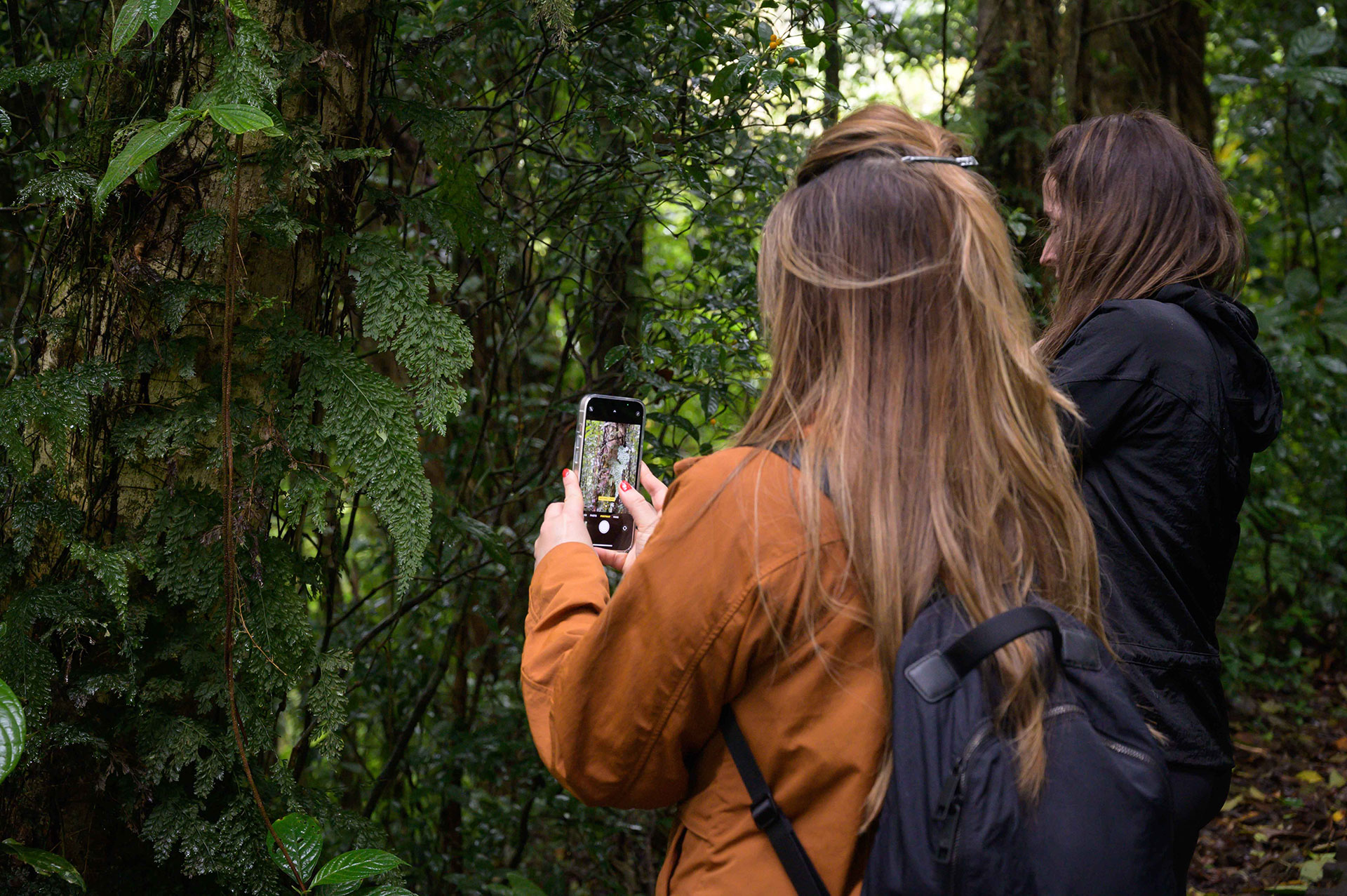
We believe conservation begins with knowledge.

Our environmental education programs reach local and international students, teachers, visitors, and community groups — connecting people directly with the forest’s ecological processes.

Through school partnerships, workshops, youth leadership initiatives, and guided walks, we turn scientific research into meaningful learning experiences that inspire long-term stewardship.

Join an Educational Tour

Sustainable Tourism Management

Tourism at Monteverde is more than a visit — it’s a form of conservation.

By managing visitor flow, capacity limits, and interpretive experiences, we ensure that ecotourism remains sustainable and beneficial to both nature and people.

Every ticket and tour contributes directly to research, forest protection, and community well-being.

Book Your Visit

Control & Protection Program

Protecting the forest is a daily, science-based effort.

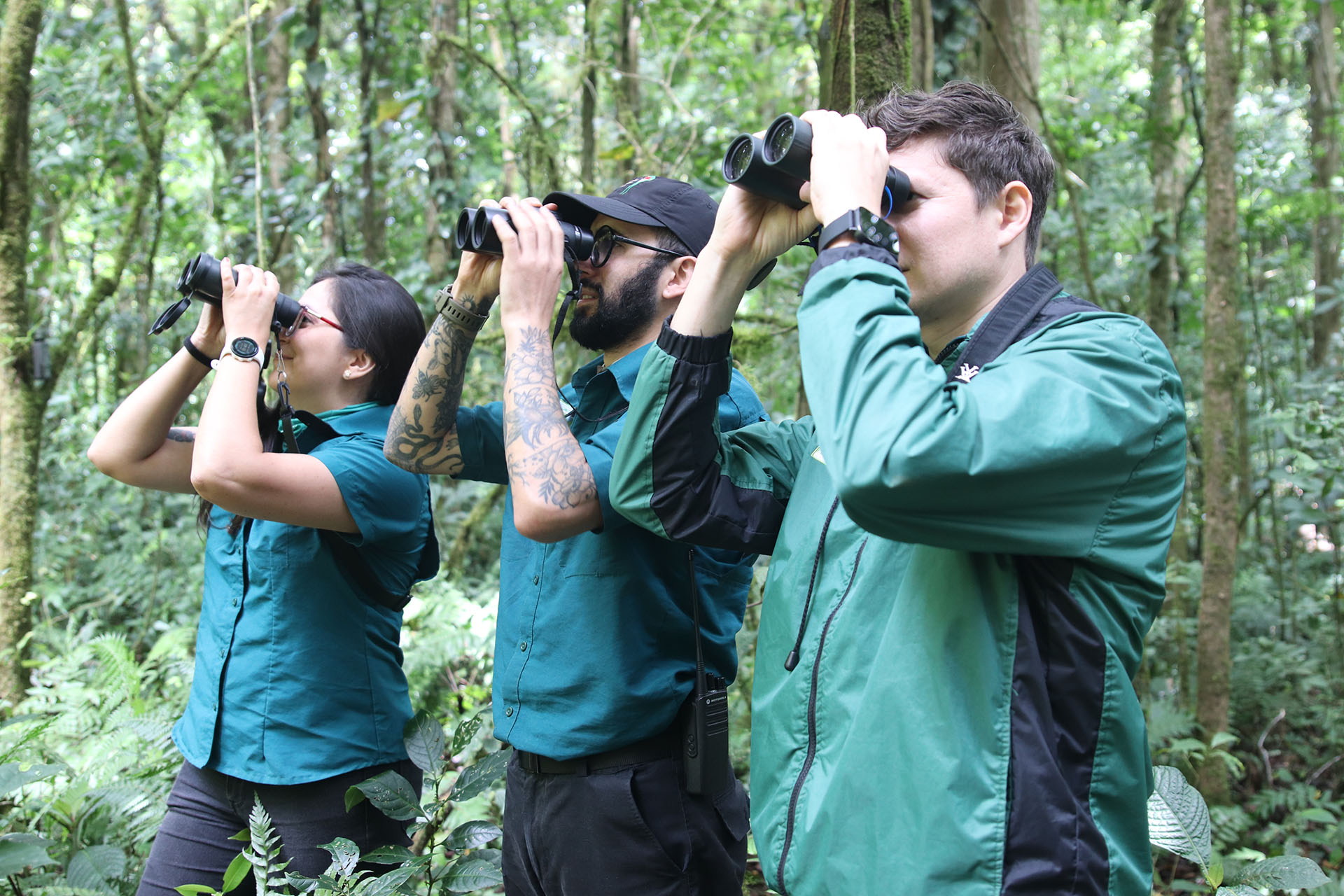
Through the Control & Protection Program, the Preserve safeguards its 10,000+ acres (4,100+ ha) of forest using preventive patrols, zoning enforcement, and the monitoring of ecological integrity.

Our rangers — trained in environmental protection, first response, and visitor safety — work year-round to prevent illegal extraction, maintain boundaries, reduce fire risk, and detect early signs of ecosystem stress and respond proactively.

Learn How We Operate

Ecological Restoration & Wildlife Corridors

Beyond the Preserve’s boundaries, our restoration efforts strengthen the connectivity of the Arenal–Monteverde Protected Zone. As part of the Bellbird

Wildlife Corridor, a landscape of over 217,500 acres (88,000 hectares) spanning cloud forest to Gulf of Nicoya mangroves, we collaborate with neighboring reserves and local communities to maintain vital ecological linkages.

By restoring native vegetation, reforesting degraded lands, and engaging landowners in conservation-oriented practices, we help wildlife move safely across altitudes and ecosystems.

Wildlife Corridors Program

Community & Partnerships

Conservation thrives when communities thrive.

Our programs collaborate with local organizations, schools, and producers to promote sustainable livelihoods and environmental awareness.

Monteverde’s story is one of collective effort — a partnership between people and nature.

Community Impact

Community Support

Building Sustainable Futures

Our community programs create opportunities that grow hand in hand with conservation.

Through education, employment, and sustainable enterprise, we ensure that protecting the forest also strengthens the lives of those who live around it.

Each student, artisan, and guide becomes part of a shared purpose — to make Monteverde a model of coexistence between nature and people.


Core Initiatives

Environmental Education Network

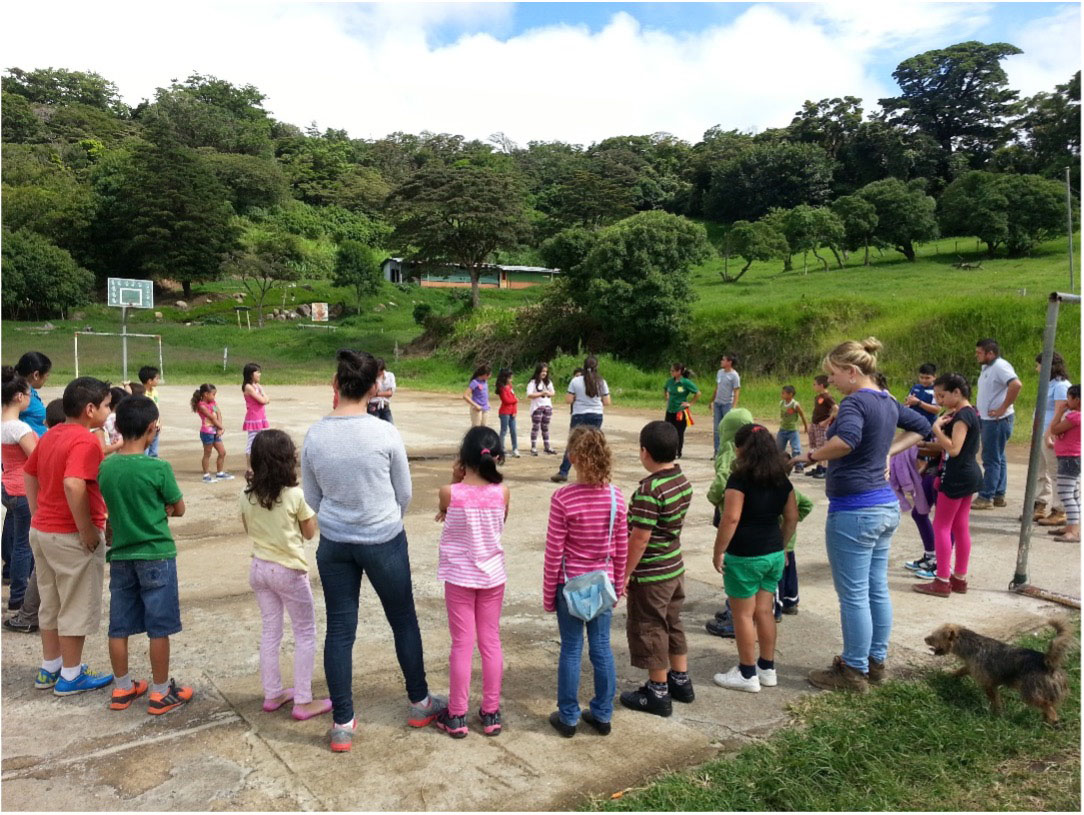
In collaboration with local schools and colleges, our programs reach 12 schools and more than 1,200 students each year through hands-on learning, field visits, and teacher training.

The Youth Environmental Network empowers young leaders to take active roles in reforestation, waste management, and environmental communication.

Employment and Training

The majority of our staff — from rangers and guides to maintenance teams — come from nearby communities, ensuring that conservation translates into local livelihoods.

Ongoing training in guiding, ecological restoration, and safety helps maintain Monteverde’s reputation for excellence in sustainable tourism.

Local Enterprise Partnerships

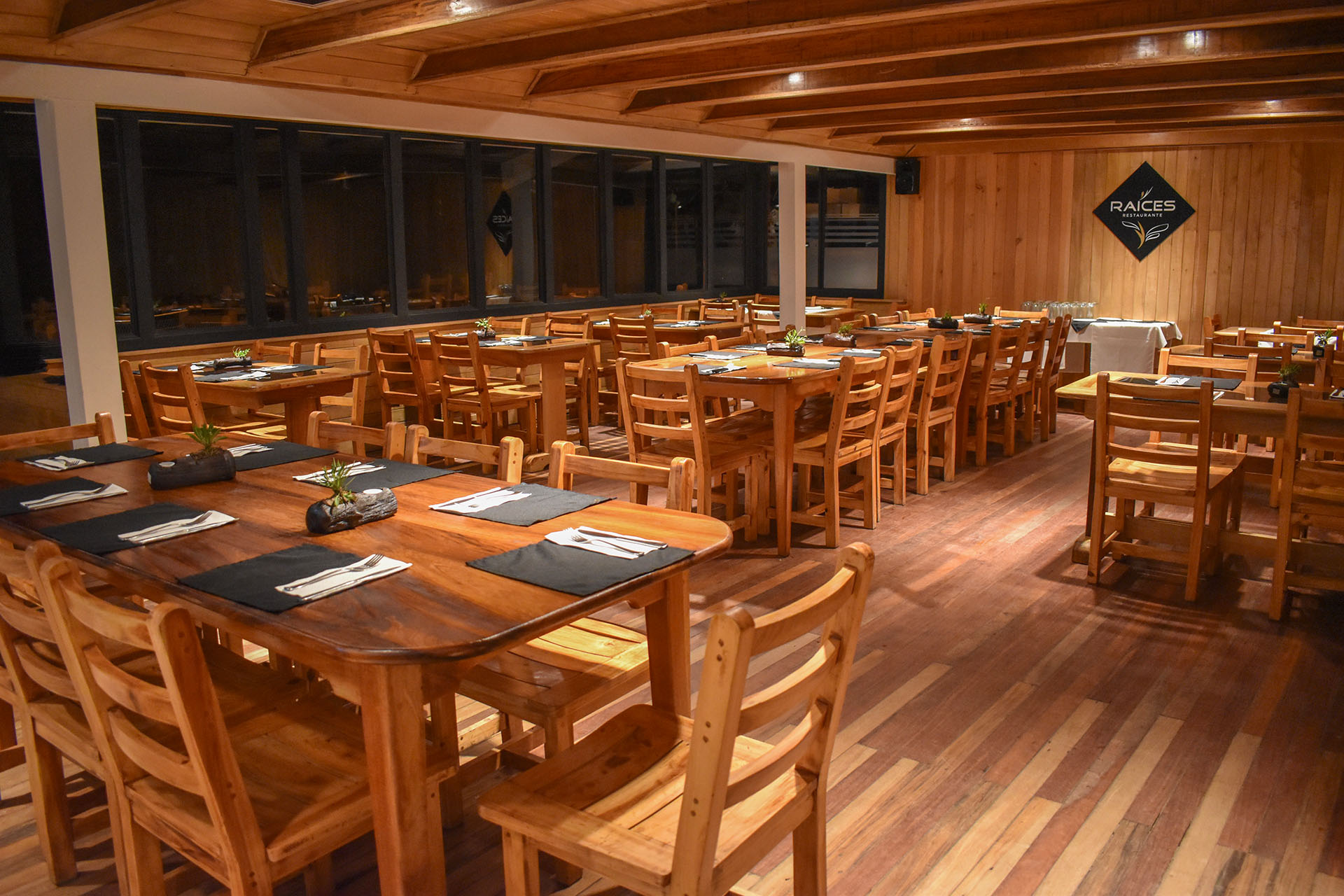
The Raíces Restaurant operates under a concession by the Workers’ Solidarista Association, reinvesting its profits directly into staff welfare.

The Preserve also collaborates with local producers and artisans to promote sustainable goods and services aligned with conservation principles.

Community-Based Projects

Joint initiatives bring together science, art, and culture — from biodiversity exhibitions and school gardens to workshops that connect ecological knowledge with local identity.